The Florida Bar’s Board Certification program is one of the few meaningful quality signals in the legal profession. About two percent of Florida attorneys hold any board certification at all. Within specialties like Real Estate Law, the number is smaller still. Most clients have never heard of the program; most attorneys don’t pursue it.
Here is what board certification actually requires, and what it tells you when you see it on an attorney’s bio.
The requirements
The Florida Bar awards board certification in a specialty area after an attorney demonstrates:
- Substantial practice experience in the specialty, typically at least five years of practice with a minimum percentage of work in the area
- Substantial involvement measured in specific transactions, cases, and hours per year
- Peer review from attorneys and judges who have worked with the candidate
- A passing score on a written examination covering the substantive and procedural law of the specialty
The process takes months of preparation, formal application, peer interviews, and a day-long exam. Recertification is required every five years through continuing legal education, continued substantial involvement, and additional peer review.
What it signals
Board certification is a minimum threshold. It does not guarantee a good outcome on any specific case, and plenty of excellent attorneys have never pursued it. But it does three things reliably:
-
It rules out dabbling. An attorney who is board certified in real estate law is not someone who handles one closing a year between other unrelated matters. The threshold amount of practice in the specialty area is meaningful.
-
It demonstrates peer respect. The peer-review stage of the certification process is not automatic. Attorneys who have worked against the candidate, worked with the candidate, and judges who have seen their work all have to vouch for the candidate’s competence.
-
It demonstrates substantive knowledge. The exam is not a formality. Florida’s written examinations for board certification have a meaningful failure rate and test the law as it actually applies in courtroom and transactional practice.
Where it matters most
For a standard, clean residential real estate transaction, a title company can often handle the closing without a real estate attorney at all, and the transaction will close correctly. Board certification doesn’t change that for those cases.
It starts to matter when the transaction is not clean:
- Contract disputes between buyer and seller, especially when the earnest money is at stake
- Title defects that require curative action before closing
- Unusual seller financing structures (lease-to-own, wraparound mortgages, owner-held paper)
- Estate-owned property where the personal representative’s authority or the devise rules are unclear
- Boundary disputes, encroachments, or easement issues
- HOA and condominium matters that affect marketability
- Foreclosure defense, where the substantive and procedural knowledge of an experienced real estate litigator directly shapes the outcome
These are the cases where investing in specialized expertise earns its keep. A title company is not paid to spot the issues a board certified real estate attorney will spot.
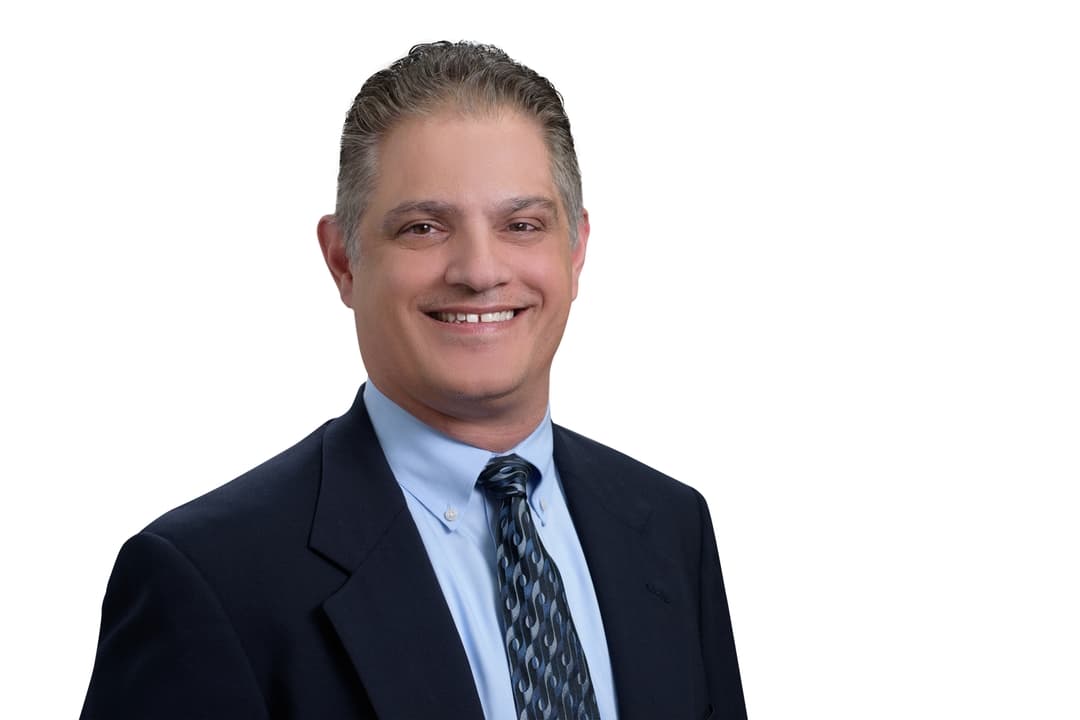
Why David Walkowiak pursued it
David has been board certified in Real Estate Law by The Florida Bar since early in his career. The certification shaped the firm’s real estate practice. It is the reason we take foreclosure defense, contract disputes, and title litigation with the confidence to try a case when settlement isn’t the right answer.
If you have a real estate question that isn’t a straightforward closing, such as a contract dispute, a title defect, a foreclosure summons, or a transaction that feels unusual, call us at 813-962-3176. The first conversation is free, and the difference between a board certified attorney and a generalist is often most visible in the first half hour.